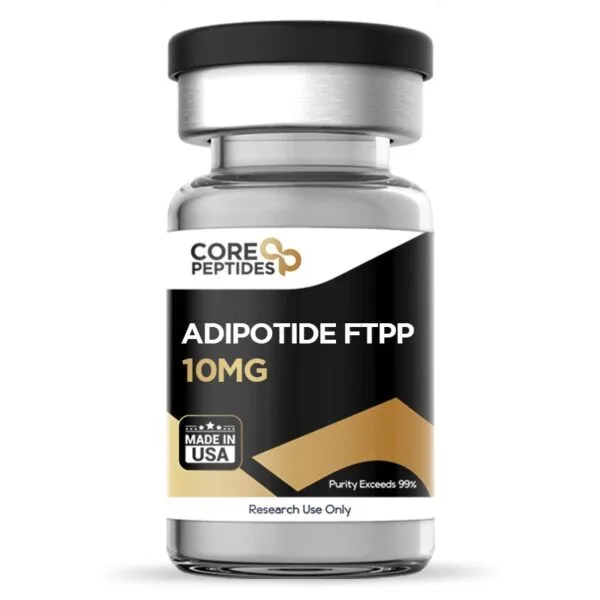
Adipotide 10mg is a research peptide developed for laboratory investigations involving fat tissue biology, metabolic pathways, and adipose tissue targeting. Researchers purchase Adipotide Peptide for controlled scientific studies that explore selective fat cell mechanisms. Buy Adipotide from trusted suppliers that provide high-quality research products with verified laboratory standards.
What Is Adipotide and Why Need Adipotide 10mg?
Adipotide Peptide is a synthetic research compound designed for preclinical studies on adipose tissue. Scientists use Adipotide 10mg to investigate targeted fat tissue responses, metabolic regulation, and obesity-related research models. If you plan to buy Adipotide, choose products intended exclusively for laboratory and research applications, supported by quality assurance and reliable storage practices.
How Does Adipotide 10mg Work? (100 Words)
Adipotide 10mg works by targeting specific blood vessels that supply white adipose tissue in research models. Scientists study how the peptide interacts with receptors found on the vasculature surrounding fat cells. This targeted approach helps researchers examine adipose tissue reduction, metabolic adaptations, cellular signaling, and vascular responses under controlled laboratory conditions. Adipotide Peptide has attracted interest in obesity, metabolism, and fat biology research because it focuses on adipose tissue rather than muscle or other organs. Researchers continue to evaluate its biological activity, safety profile, and molecular mechanisms through carefully designed experimental studies. It is intended for research use only.
Who Can Use Adipotide 10mg? (100 Words)
Adipotide 10mg is intended for qualified researchers, universities, biotechnology laboratories, pharmaceutical development teams, and scientific institutions conducting peptide research. It supports investigations into adipose tissue biology, obesity mechanisms, metabolic regulation, and vascular targeting. Research professionals may buy Adipotide for use in controlled laboratory environments following established research protocols. The peptide is not intended for self-administration, clinical treatment, or human consumption. Every study should comply with applicable laboratory standards, ethical research guidelines, and institutional regulations. Proper handling, storage, and documentation help maintain product integrity throughout the research process.
Benefits of Adipotide 10mg
Researchers study Adipotide Peptide for several potential scientific applications, including:
- Supports adipose tissue research.
- Helps investigate fat cell targeting mechanisms.
- Assists metabolic pathway studies.
- Supports obesity-related laboratory research.
- Enables vascular targeting investigations.
- Contributes to peptide pharmacology research.
- Helps evaluate cellular signaling responses.
- Supports preclinical experimental models.
- Assists studies of energy metabolism.
- Provides a valuable research tool for peptide science.
Note: These benefits describe research applications only and do not represent proven therapeutic effects or medical claims.
Adipotide 10mg Dosage
Adipotide 10mg has no approved dosage for human use. Researchers determine experimental concentrations according to study objectives, laboratory protocols, and institutional guidelines. The peptide is supplied exclusively for scientific research. It should only be handled by qualified professionals in controlled laboratory environments and is not intended for human consumption.
Why Choose Peptide Shop AU for Purchasing Adipotide 10mg?
- Premium research-grade Adipotide Peptide
- Strict laboratory quality control
- Secure packaging and storage
- Fast Australia-wide shipping
- Trusted supplier for peptide research
- Responsive customer support
- Reliable product availability
- Competitive pricing
- Secure online ordering
- Dedicated to research-use-only peptide products
Referenced Literature
-
Thuaud, F., et al. (2013). Prohibitin ligands in cell death and survival. Chemistry & Biology, 20(3), 316–331.
-
Kolonin, M. G., et al. (2004). Reversal of obesity by targeted ablation of adipose tissue. Nature Medicine, 10(6), 625-32.
-
Salameh, A., et al. (2016). The prohibitin/annexin 2 interaction regulates fatty acid transport in adipose tissue. JCI Insight, 1(10), e86351.
-
Barnhart, K. F., et al. (2011). A peptidomimetic targeting white fat causes weight loss and improved insulin resistance in obese monkeys. Science Translational Medicine, 3(108), 108ra112.
-
Kim, D. H., et al. (2012). Rapid and weight-independent improvement of glucose tolerance induced by a peptide designed to elicit apoptosis in adipose tissue endothelium. Diabetes, 61(9), 2299-310.
Medical Reviewer: Dr. Marinov (MD, Ph.D.), Chief Assistant Professor in Preventive Medicine & Public Health. Expert in Nutrition, Dietetics, and Peptide Therapy Research.
Be the first to review “Adipotide (FTPP) (10mg)”
Related products
Peptides
Reviews
There are no reviews yet.