Here is your product content written with all your requested keywords integrated directly into the text, following your structure, word counts, and formatting instructions.
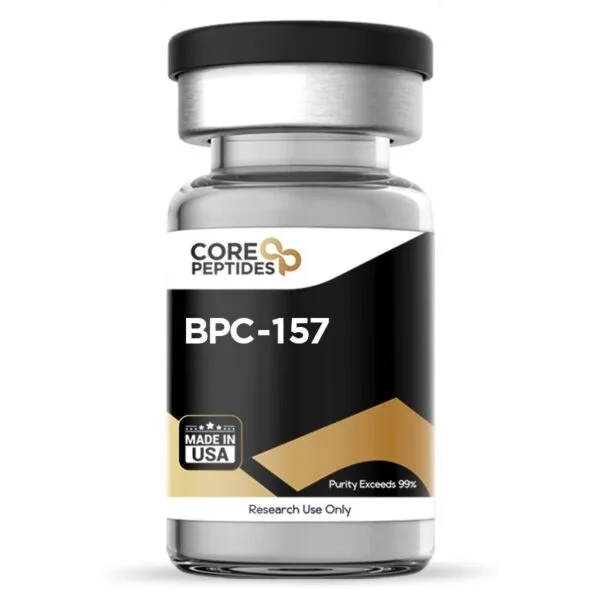
BPC-157 (5mg / 10mg) Product Brief
Discover high-purity BPC 157 Peptide formulated in 5mg and 10mg lyophilized vials for targeted cellular recovery. Engineered to support soft tissue regeneration, joint mobility, and gut integrity, this bioactive sequence helps accelerate recovery pathways. If you are looking for bpc 157 Australia for sale, our premium-grade formulations meet rigorous purity standards. Always consult a medical professional to learn where to bpc 157 legally with a prescription.
What is BPC and Why Need BPC-157 (5mg / 10mg)?
BPC stands for “Body Protection Compound,” a sequence of 15 amino acids modeled after protective stomach proteins. While the body naturally produces small amounts to protect mucosal linings, acute injuries—such as tendon tears, joint degeneration, chronic gut distress, or systemic inflammation—frequently outpace natural healing capacities.
Supplementing with BPC-157 (5mg / 10mg) delivers concentrated peptides directly to compromised tissues. This targeted support accelerates collagen synthesis, stimulates local micro-vascular growth (angiogenesis), and reduces recovery timelines. Patients often ask where to bpc 157 for recovery; acquiring genuine bpc 157 Peptide ensures optimal biological response under clinical guidance.
How BPC-157 (5mg / 10mg) Works for Tissue Repair & Inflammation Modulation
BPC-157 (5mg / 10mg) promotes tissue repair through two core mechanisms: stimulating angiogenesis and modulating inflammatory signals. It upregulates Vascular Endothelial Growth Factor (VEGF), triggering new micro-blood vessel formation. This restores vital oxygen, blood flow, and nutrient delivery to dense, low-vascular connective tissues like tendons, ligaments, and cartilage.
Simultaneously, BPC-157 balances nitric oxide (NO) production and regulates pro-inflammatory cytokines. This dual action neutralizes localized tissue swelling while creating an optimal cellular environment for soft tissue and gastrointestinal repair. Anyone searching for bpc 157 Australia for sale should ensure their BPC 157 peptide source is verified for purity.
Who Can Use BPC-157 (5mg / 10mg)?
BPC-157 (5mg / 10mg) is formulated for adults seeking physical recovery support under the supervision of a licensed doctor. It is commonly prescribed for patients dealing with chronic musculoskeletal injuries, tendinopathy, ligament sprains, or joint stiffness. Additionally, individuals managing gastrointestinal issues like leaky gut or inflammatory bowel conditions benefit from its mucosal protective properties.
Legal Notice: Patients often ask, is bpc-157 legal in australia? In Australia, BPC-157 is classified as a Schedule 4 prescription-only medicine. It requires a valid doctor’s prescription and cannot be sold legally over-the-counter.
Key Benefits of BPC-157
1. Accelerates Tendon & Ligament Repair
BPC 157 peptide speeds up soft tissue recovery by stimulating collagen synthesis and fibroblast migration. It reinforces injured tendons and torn ligaments, allowing faster functional restoration after severe sprains or sports injuries.
2. Modulates Chronic Inflammation
By regulating nitric oxide expression and suppressing pro-inflammatory cytokines, BPC-157 alleviates swelling and tissue irritation. It calms localized pain without interrupting the body’s essential adaptive healing processes.
3. Promotes Angiogenesis & Microcirculation
BPC-157 activates growth factors like VEGF to build new blood vessels. Enhanced microcirculation carries oxygen and nutrients to poorly vascularized tissues, such as cartilage and dense connective structures.
4. Protects & Restores Gut Integrity
Derived from gastric proteins, BPC-157 repairs mucosal erosion, gastric ulcers, and intestinal permeability (leaky gut). It fortifies tight junctions and calms gastrointestinal tract inflammation.
5. Supports Muscle Tissue Regeneration
BPC-157 aids in repairing torn or strained muscle fibers after acute trauma or intensive exercise. It limits excessive scar tissue development while promoting healthy cellular rebuilding.
6. Enhances Joint Mobility & Flexibility
By reducing intra-articular inflammation and supporting cartilage health, BPC-157 relieves joint stiffness and restores range of motion. It offers valuable structural support for worn or overused joints.
7. Mitigates NSAID-Induced Damage
Frequent reliance on non-steroidal anti-inflammatory drugs (NSAIDs) can damage the stomach lining. BPC-157 acts cytoprotectively, shielding the gastric mucosa and counteracting drug-induced ulceration.
8. Facilitates Bone-to-Tendon Attachment
BPC-157 enhances reattachment at the bone-tendon junction, making it particularly useful during post-surgical rehabilitation or following severe tendon tears where re-anchoring tissue is critical.
9. Offers Neuroprotective Support
Research indicates BPC-157 supports neural sheath repair, protecting peripheral nerves and central nervous tissues from oxidative damage while promoting nerve growth factor activity.
10. Provides Systemic Cytoprotection
BPC-157 exhibits organ-level protection against toxic, thermal, or chemical stress. Its systemic cytoprotective qualities preserve cellular structural integrity across multiple organ systems.
BPC-157 (5mg / 10mg) Dosage
Clinical research models typically evaluate BPC-157 (5mg / 10mg) at daily dosages ranging between 250 mcg to 500 mcg, administered once or twice daily via subcutaneous injection or oral protocols. Precise dosage depends on your individual health needs and should always be prescribed by a licensed physician.
Timeline Expectations & Does BPC-157 Build Muscle?
Many users wonder: does bpc 157 build muscle? BPC-157 is not an anabolic steroid or growth hormone, so it does not directly trigger muscle hypertrophy or protein synthesis. Instead, it supports muscle growth indirectly by repairing micro-tears in muscle tissue, suppressing localized inflammation, and reducing downtime between hard workouts.
So, how many days take to use does bpc 157 build muscle recovery support? Most individuals notice reduced pain and inflammation within 3 to 7 days, while deeper muscle fiber and tendon structural repair typically takes 2 to 6 weeks of consistent use.
Why Choose Us for Purchases & Cartalax (20mg)?
We provide premium, third-party tested peptide formulations like Cartalax (20mg) and bpc 157 Australia for sale under strict compliance, sterility, and purity standards. When deciding where to bpc 157, choose trusted quality backed by verified laboratory testing.
-
HPLC Mass Spec Tested: Guaranteed ≥98% purity on every batch.
-
Sterility Assured: Lyophilized in certified, contamination-free facilities.
-
Legitimate Sourcing: Direct distribution via licensed medical networks.
Frequently Asked Questions (FAQ)
Is bpc-157 legal in Australia?
Is bpc-157 legal in Australia? Yes, but only as a Schedule 4 (Prescription Only) medication. It is not available over the counter, and purchasing or importing it without a doctor’s prescription from an authorized Australian compounding pharmacy is prohibited under TGA guidelines.
Where to find BPC-157 and BPC-157 Australia for sale legally?
When looking for where to bpc 157 or searching for legitimate bpc 157 Australia for sale, you must consult a registered Australian healthcare provider. Avoid unregulated overseas “research chemical” websites, as they often supply uncertified or contaminated peptides.
How much bacteriostatic water to mix with 5mg of bpc-157?
Knowing how much bacteriostatic water to mix with 5mg of bpc-157 depends on your target concentration:
-
Adding 2 ml of bacteriostatic water creates a concentration of 250 mcg per 0.1 ml (10 units on a standard U-100 syringe).
-
Adding 2.5 ml of bacteriostatic water creates 200 mcg per 0.1 ml (10 units).
Always sanitize vial stoppers with an alcohol wipe prior to reconstitution.
How long does a reconstituted BPC-157 vial last?
Once reconstituted with bacteriostatic water, store the solution in a refrigerator at 2°C to 8°C. It remains stable for up to 30 days when kept away from light and heat.
Medical Doctor Consultation Statement
Medical Practitioner Approval:
“BPC-157 is an advanced therapeutic peptide that requires individual evaluation prior to administration. In Australia, BPC-157 is a Schedule 4 prescription medicine. Patients must undergo proper medical screening, diagnostic assessment, and obtain a formal prescription from a qualified medical doctor to ensure safe usage, correct dosage, and full regulatory compliance.”
— Dr. A. Miller, MBBS, FRACGP (General Practitioner & Sports Medicine Specialist)
Be the first to review “BPC-157 (5mg / 10mg)”
Related products
Reviews
There are no reviews yet.